Coordinating supply across Southeast Asia from Singaporesales@grenglo.com

Sheet E-02 · electrical installation materials

Electrical Installation Materials: Junction Boxes, Cable Trays & Glands

Singapore project sourcing for electrical junction boxes, perforated cable trays, cable ladders, cable glands and industrial terminal blocks. Explore technical selection criteria, typical applications, IEC references and complete BOQ requirements.

Product sourcing

Cable management and connections selected by installation conditions.

Typical requirements

  • Junction boxes and stainless steel enclosure selection
  • Perforated cable tray and ladder systems with verified load/span data
  • Cable glands sized to cable outer diameter and armour
  • DIN rail terminal blocks selected by conductor rating

Include in your RFQ

  • Drawings, cable routing and cable schedules
  • Material/finish, dimensions, corrosion and IP/IK requirements
  • Working load, support spacing and all fittings
  • OEM datasheets, quantities, required documentation and delivery location
Product families

Five installation-material product families

Technical sourcing for electrical junction boxes, perforated cable trays, cable ladders, cable glands and DIN-rail terminal blocks. Compare enclosure protection, loading/span data, cable entry requirements, connection ratings and applicable IEC standards before requesting a quote.

Industrial junction boxes & stainless-steel enclosuresE-02.1

Industrial junction boxes & stainless-steel enclosures

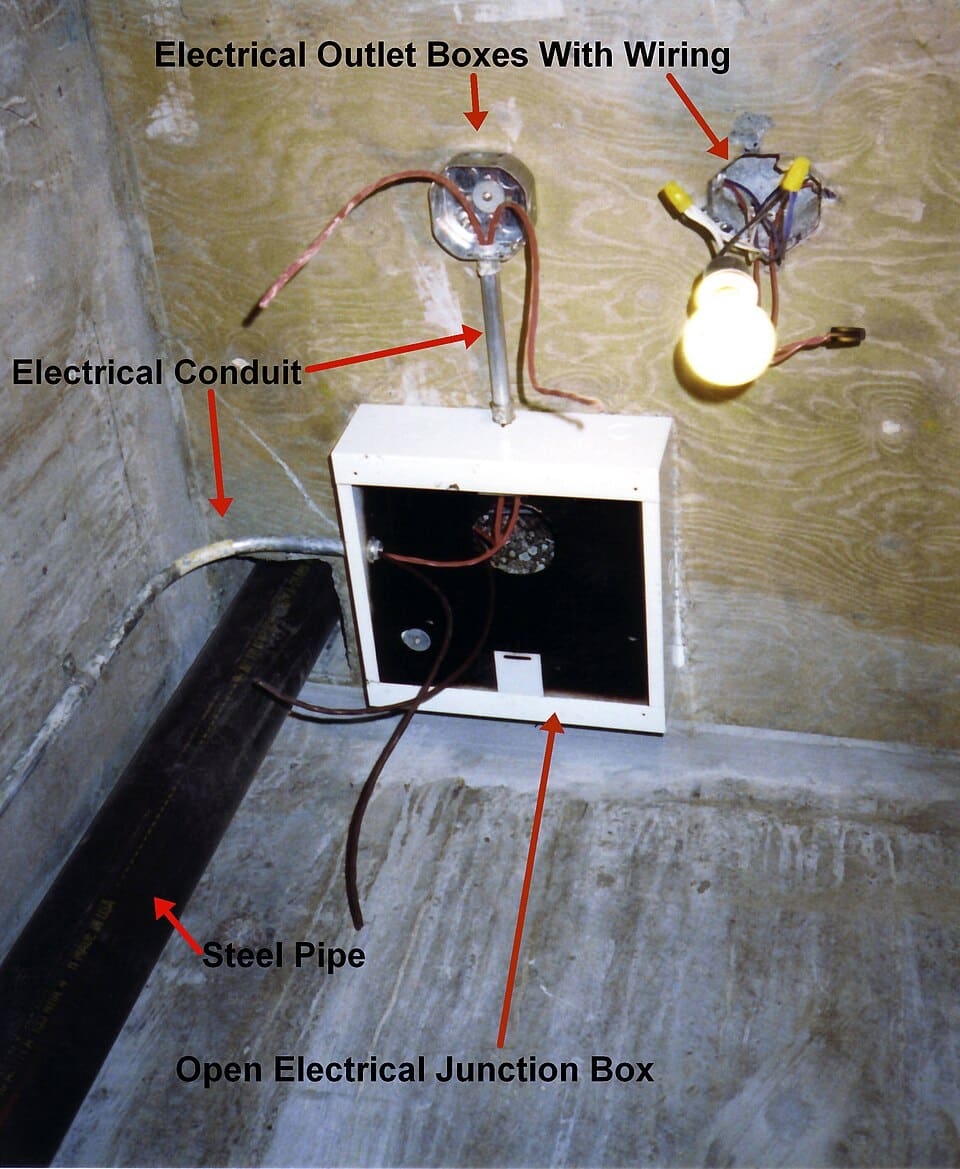
Electrical enclosures for cable termination, instrumentation and control connections. Steel grades, sealing systems and corrosion resistance must be chosen to suit the actual installation environment.

  • Size (W × H × D), mounting plate and wall thickness
  • Material grade and finish: painted steel / SS304 / SS316
  • IP/IK requirement, ambient temperature and exposure
  • Entries, gland plates, earth terminals and cable quantity
  • Hazardous-area approval only if applicable and verified
ApplicationsIndustrial junctions, motor and field instrument terminations, wastewater or washdown areas, exposed plant interfaces and electrical cabinets.
StandardsIEC 60529 (IP), IEC 62208:2023 (empty LV enclosures), IEC 62262 (IK where specified).
Put in your RFQGA drawing; box W×H×D; required stainless grade; IP/IK; cutouts/knockouts; entry positions; gland/terminal details; quantity and delivery.
Selection guide

Choose the enclosure type first (terminal/junction box, wall-mount or control enclosure). Specify external dimensions and internal space; material such as painted steel, SS304/1.4301 or SS316/1.4404; ingress rating; gasket and door; entry/gland plate design; corrosion exposure; and mounting and earth bonding.
Ask about this →
Perforated cable tray systemsE-02.2

Perforated cable tray systems

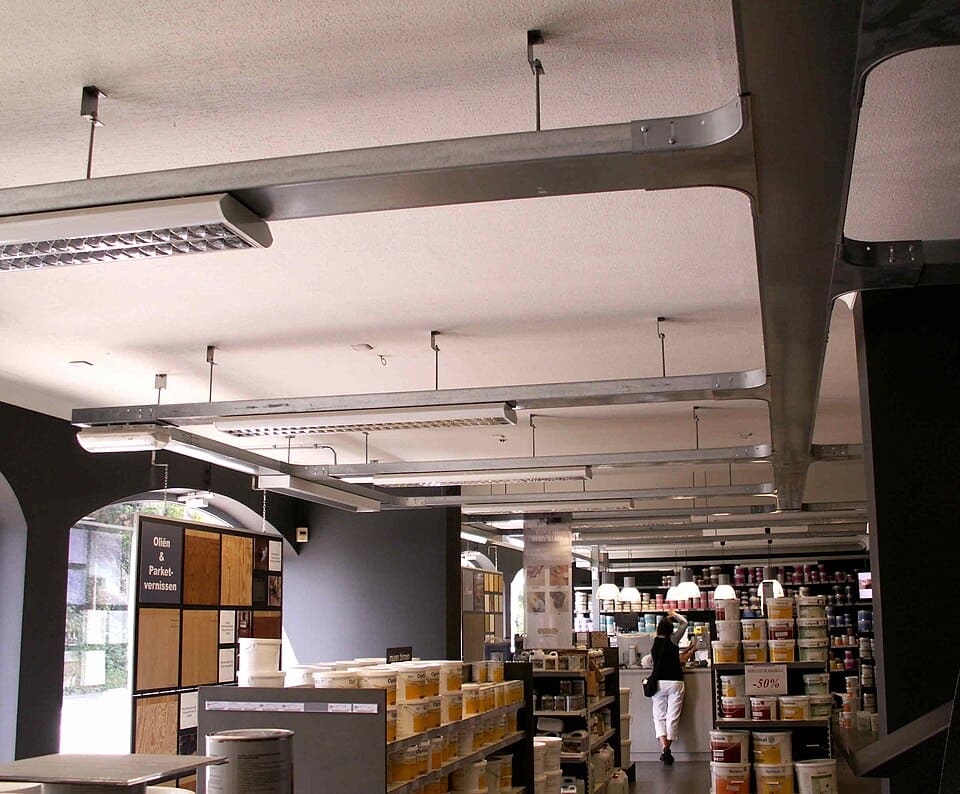
Continuous cable containment systems supporting power, control and communication routes, normally assembled with couplers, supports and bends as a complete system.

  • Tray width, side-wall height and straight length
  • Thickness/gauge, material and finish
  • Cable load (kg/m), support pitch and SWL/load-span curve
  • Couplers, bends, reducers, tees, risers and supports
  • Corrosion category, bonding and cover requirements
ApplicationsIndustrial plant cable routes, electrical rooms, commercial risers, cable-tray distribution and infrastructure installations.
StandardsIEC 61537:2023 (cable tray and ladder systems).
Put in your RFQRoute schedule and sections; dimensions; coating; sheet thickness; support spacing; cable weight; fittings; accessories and total linear metres.
Selection guide

Select tray profile and cable fill, working load, system width/depth and straight-length options. Specify material and surface protection (e.g. pre-galvanised, HDG after fabrication, aluminium or stainless), atmospheric exposure, allowable span and whether a cover, earthing continuity or fire-related installation measures are needed.

Ask about this →
Heavy-duty cable ladder systemsE-02.3

Heavy-duty cable ladder systems

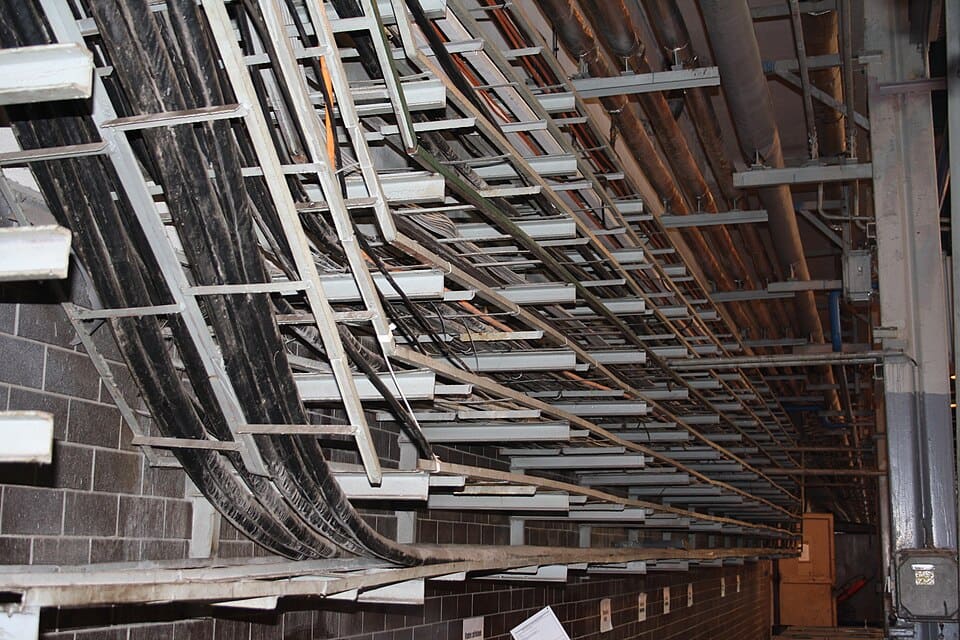
Rung-type cable support for specified heavy cable loading and longer industrial cable routes, requiring system-level load and support verification.

  • Ladder width and side rail height
  • Rung centres and permitted cable minimum bend radius
  • Uniformly distributed cable load and hanger/span arrangement
  • Hot-dip galvanised / stainless / aluminium alternatives
  • Couplers, supports, expansion and bonding accessories
ApplicationsIndustrial process plants, utility rooms, energy and infrastructure projects, larger feeder-cable routes.
StandardsIEC 61537:2023 (cable management support systems).
Put in your RFQCable route drawings; width/depth/rung centres; operating load; span and mounting heights; coating; full accessories and quantities.
Selection guide

Identify cable weight per metre, required cable segregation, rung spacing, side-rail height, ladder width and support span. Specify materials/coatings, bends/rises, splice plates, hold-downs and bonding requirements. Use the chosen manufacturer's tested load/span data instead of assuming a safe span from plate thickness.

Ask about this →
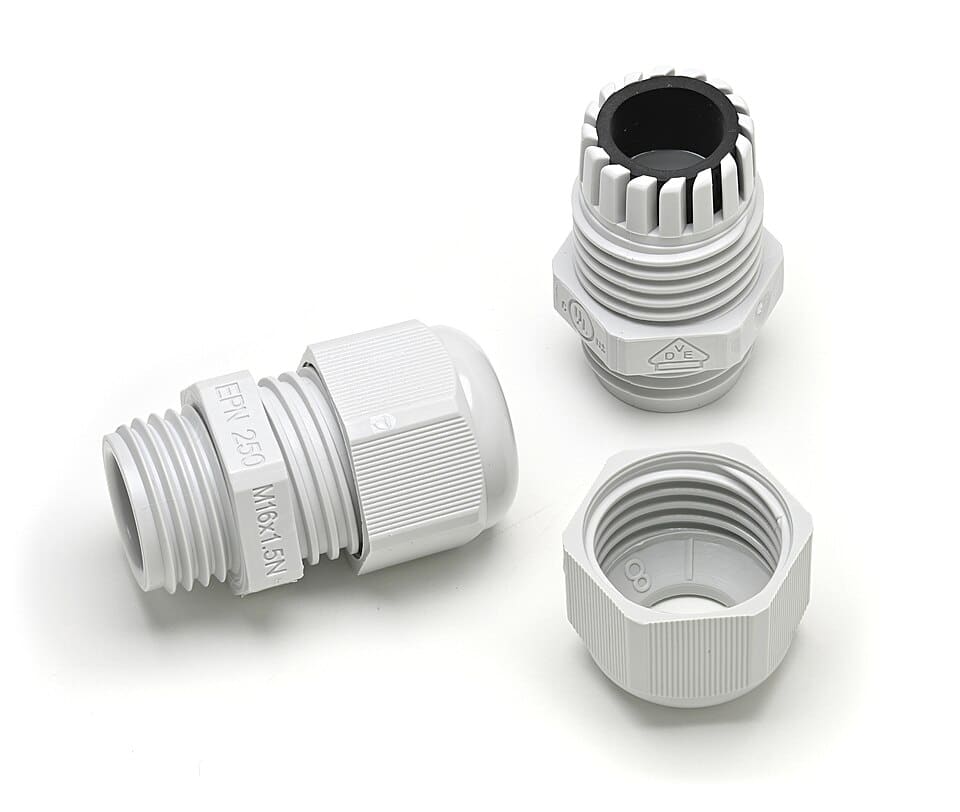
Cable glands, locknuts & entry accessoriesE-02.4

Cable glands, locknuts & entry accessories

Cable entry fittings for sealing, mechanical retention and—where specified—armour continuity and hazardous-area installation requirements.

  • Measured cable OD and manufacturer grip range
  • M20/M25/M32 etc. or other required thread
  • Brass, nickel-plated brass, nylon or stainless material
  • Armoured/unarmoured, EMC and sealing accessories
  • IP, temperature, Ex marking when relevant
ApplicationsControl panel entries, outdoor electrical enclosures, marine/industrial installations and process instrumentation.
StandardsIEC 62444:2010 (cable glands); IEC 60529 for IP classification.
Put in your RFQCable type/OD/armour, thread and size, gland material, IP or Ex marking, earth-tag/shroud/locknut requirements and quantity.
Selection guide

Match the gland to the cable's actual outer diameter and material, cable construction (unarmoured or armoured), thread system (e.g. M, NPT), enclosure wall/gland-plate thickness and service environment. If required, confirm EMC shield continuity, strain relief, chemical resistance and certified Ex gland assembly.

Ask about this →
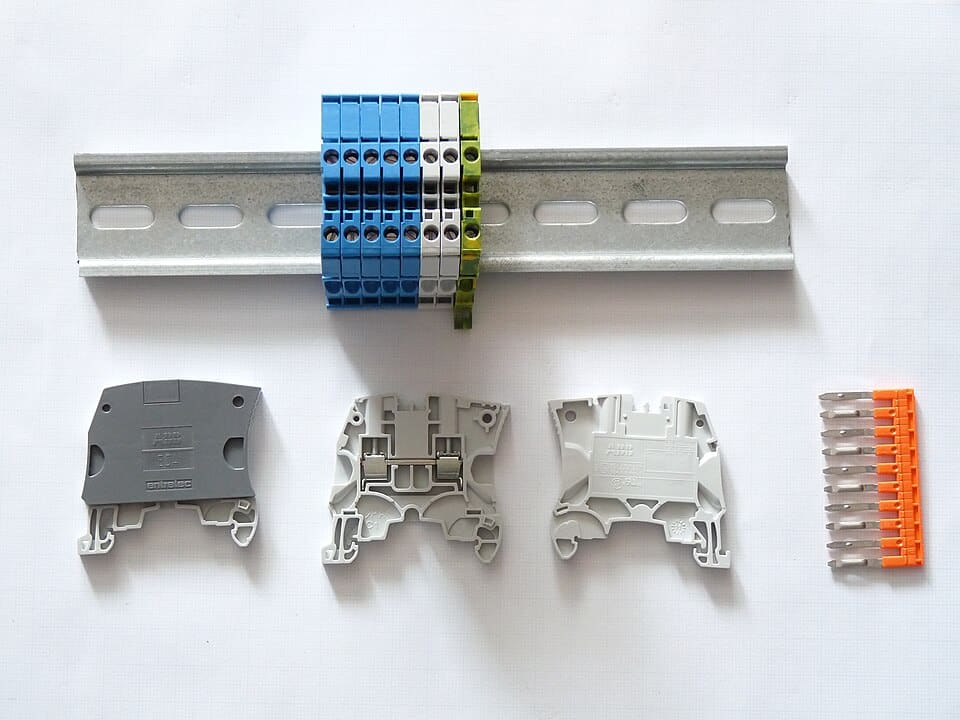
DIN-rail terminal blocks & wiring accessoriesE-02.5

DIN-rail terminal blocks & wiring accessories

Feed-through, protective-earth and disconnect terminal blocks used for conductor termination in industrial panels, with ratings that vary by exact series and conductor preparation.

  • Nominal conductor cross-section and permitted actual range
  • Nominal current and voltage for specified terminal type
  • PE / feed-through / test disconnect / fuse function
  • Screw or push-in termination and ferrule data
  • NS35 rail, end plates, markers and cross-connectors
ApplicationsSwitchboards, automation panels, control stations, OEM machinery and industrial maintenance.
StandardsIEC 60947-7-1:2025 (industrial terminal blocks for copper conductors).
Put in your RFQComplete terminal type/MPN, conductor mm²/AWG, quantity per function/colour, rails, end plates, jumpers, markers and required certificate.
Selection guide

Choose connection technology (screw, spring, push-in) and terminal function. Check nominal and permitted conductor cross-section for solid, stranded and ferruled conductors; rated current and voltage; voltage surge category; busbar/jumper layout; mounting rail; wire marking and end cover requirements.

Ask about this →

Grenglo supports electrical contractors, M&E project purchasers and industrial facilities across Singapore and selected regional projects. The five families below establish technical credibility but do not restrict the products we can source. Availability, manufacturer approval and actual certificates remain subject to supplier confirmation.

Engineering buyer guide

Selection criteria that matter

Start with the project drawings, cable route schedule and site environment. Enclosures, trays, ladders, glands and terminals are interconnected systems: a complete RFQ should include straight sections, elbows, fittings, couplers, hangers, sealing and bonding provisions, and approved manufacturer alternatives. For support systems, ask for product-specific safe-working-load/span data; for cable entry, verify the complete installed assembly's IP and Ex claims.

FactorSpecification to sendTechnical note
Junction box / enclosureW × H × D, SS grade or painted steel, IP/IK, wall mounts, entriesIP rating is conditional on installed covers, gaskets and cable glands; SS304/316 choice depends on exposure.
Cable trayWidth, depth, straight length, material, coating and sheet gaugeDesign to allowable cable weight, actual support spacing, bends and corrosion.
Cable ladderWidth, rail depth, rung pitch, SWL, support-span scheduleCheck manufacturer's tested system loads, couplers, expansion and safe span.
Surface treatmentPre-galvanised / HDG / stainless / aluminium and local atmosphereDo not treat all zinc coating methods as equivalent for after-fabrication corrosion resistance.
Fittings and take-offStraight lengths, elbows, tees, risers, reducers, covers and hold-downsProject quotations should include accessory completeness and installation losses where agreed.
Cable glandsActual OD, armour, thread, IP/Ex needs, material and grip rangeThreads alone do not determine which cable a gland safely seals or retains.
Terminal blocksNominal and accepted conductor sizes, type/function, In/Ue, rail/accessoriesConductor limits differ for bare/ferruled and rigid/flexible designs; refer to exact OEM datasheet.
Testing and certificatesApplicable IEC/EN test evidence, COO, data sheet, material evidenceA standard's citation is not proof the offered item is certified under it.
Project logisticsDelivery site, BOQ quantities, packing lengths, staged deliveriesLong trays/ladders and fabricated fittings influence freight, damages and landed cost.
Engineering FAQs

Frequently asked questions

What should be specified when ordering stainless-steel junction boxes in Singapore?

Give the enclosure drawing, size and exact stainless grade (often AISI 304 or 316 where specified), IP/IK target, mounting and cable entries, environmental exposure and required certificates. A photo alone cannot establish stainless grade or suitability.

How do I choose cable tray width and depth?

Start with actual cable outside diameters, fill/spacing and segregation needs, then check cable weights, permissible support span and product-specific load ratings. Add bend, tee, reducer and coupler requirements to the BOQ.

What is the difference between a perforated cable tray and cable ladder?

Perforated trays use a continuous perforated base; ladders use spaced rungs. Select using cable type and weight, support span, ventilation and project standard—not on the assumption that one always has more capacity.

Is pre-galvanised tray equivalent to hot-dip galvanised after fabrication?

No. The manufacturing and coating processes are different and may affect exposed edges and corrosion performance. Specify the required process and environment, and request coating documentation.

What does IEC 61537 actually verify?

It addresses requirements and tests for cable-tray and ladder support systems, including classifications and safe working load testing. It does not mean every tray or ladder has the same load rating.

Can an M20 gland fit any cable?

No. M20 is an entry thread designation, not the cable outside-diameter range. Check the exact gland part number's sealing/grip range, cable construction, armour, gasket and operating conditions.

Is IP66 enough for a coastal or chemical plant enclosure?

No. IP covers defined ingress tests, not a complete corrosion or chemical compatibility assessment. Material grade, coating, sealing, UV exposure and actual installation need independent consideration.

How do push-in terminals differ from screw terminals?

The termination method and accepted conductor/ferrule ranges differ by product. Compare rated current/voltage, conductor sizes, tools, stripping length and approvals using the actual manufacturer's data.

Can Grenglo quote a full electrical installation BOQ?

Yes, for selected product sourcing enquiries. Include drawings, material schedules, technical standards and destination. Engineering design, approvals, installation and commissioning are separate responsibilities unless expressly contracted.

Need something not listed here?

These families are a starting point, not a full catalogue. Send the manufacturer part number, a nameplate photo or your schedule and we will check the supply route.