Coordinating supply across Southeast Asia from Singaporesales@grenglo.com

Sheet E-01 · low-voltage power distribution

Power Distribution & Industrial Control Components

Specification-led sourcing of LV circuit breakers, MCBs, RCBOs, distribution boards, switch-disconnectors and contactors. We help Singapore B2B buyers identify relevant ratings, IEC references and RFQ data without implying all models are stocked.

Product sourcing

Protection and control selected by electrical duty.

Typical requirements

  • MCCB breaking capacity, frame and trip-unit selection
  • MCB/RCBO application and residual-current type
  • Distribution board ratings and IEC 61439 requirements
  • Contactors, overloads and switch-disconnector duty categories

Include in your RFQ

  • Exact manufacturer and catalogue reference, if known
  • System Ue, In, fault kA and utilisation category
  • Pole, mounting, trip/coil/accessory configuration
  • Drawings, quantity, certifications and destination
Product families

Low-voltage protection, switching & control

Explore five commonly specified low-voltage device families for electrical contractors and industrial buyers in Singapore. Each requires electrical ratings, installation parameters and a verified OEM configuration—not just a product name.

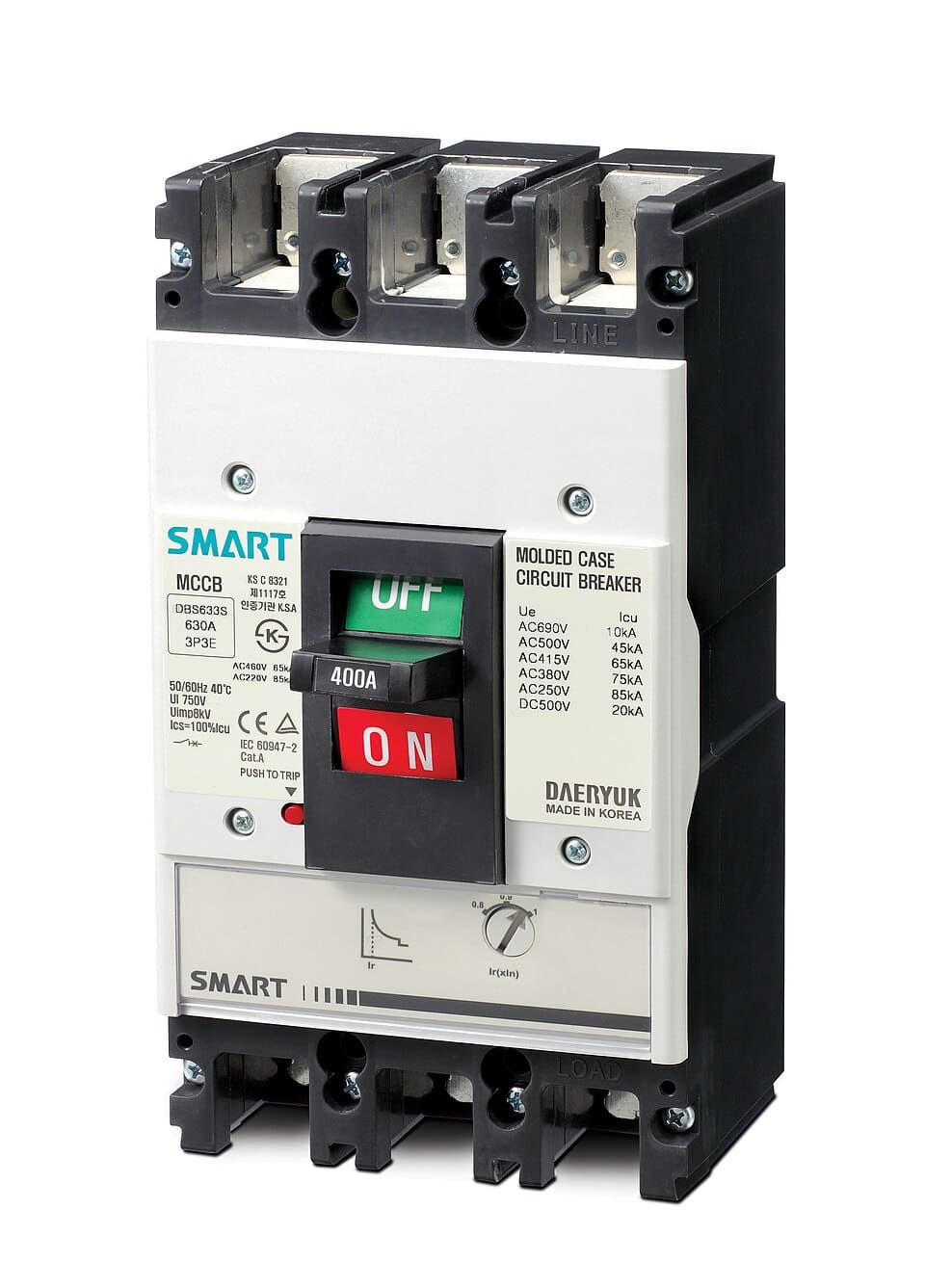
Moulded-case circuit breakers (MCCBs)E-01.1

Moulded-case circuit breakers (MCCBs)

Low-voltage circuit breakers for feeders, incomers and outgoing circuits where fault-interruption duty, protection curves and assembly integration matter.

  • Ue / Ui / Uimp
  • In and frame size
  • Icu / Ics at Ue
  • Trip curve and neutral protection
  • Fixed / plug-in / withdrawable; accessories
ApplicationsMain and sub-main feeders, distribution switchboards, plant incomers and motor-control supply circuits.
StandardsIEC 60947-2 (industrial circuit breakers)
Put in your RFQOEM code and revision; 3P/4P; Ue; rated current; Icu/Ics at Ue; trip unit/settings; connection and mounting; shunt trip/UV/auxiliary requirements; quantity.
Selection guide

Determine the prospective short-circuit current at the installation point before selecting the interrupting rating. Specify rated operational voltage Ue, rated current In, frame size, Icu and Ics at the actual Ue, number of poles, trip-unit family (thermal-magnetic or electronic), fixed/adjustable L-S-I-G protection and required auxiliaries.
Ask about this →
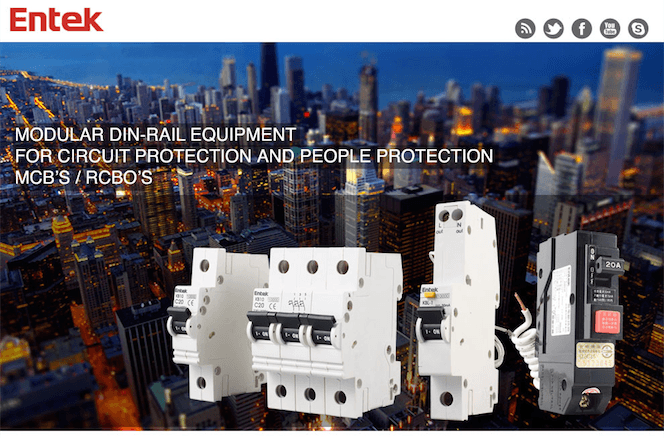
Miniature circuit breakers (MCBs) and RCBOsE-01.2

Miniature circuit breakers (MCBs) and RCBOs

Modular overcurrent protection devices (MCBs) and residual-current devices with integral overcurrent protection (RCBOs) for appropriate final circuits.

  • In, characteristic curve and Ue
  • Rated breaking capacity at system voltage
  • Pole / neutral arrangements
  • IΔn and residual-current type (RCBO)
  • DIN rail and busbar system compatibility
ApplicationsFinal lighting and socket circuits, small distribution boards and appropriate auxiliary/control circuits.
StandardsIEC 60898-1 (MCB); IEC 61009-1 (RCBO)
Put in your RFQDevice function MCB/RCBO; brand/series; In; B/C/D curve where relevant; kA rating; poles; IΔn/type for RCBOs; terminals and quantity.
Selection guide

Specify MCB versus RCBO first. For MCBs check rated current, B/C/D time-current characteristic, short-circuit rating, poles, voltage and compatible series. For RCBOs additionally check residual operating current IΔn, residual-current type (e.g. A where required), neutral arrangement and test requirements.

Ask about this →
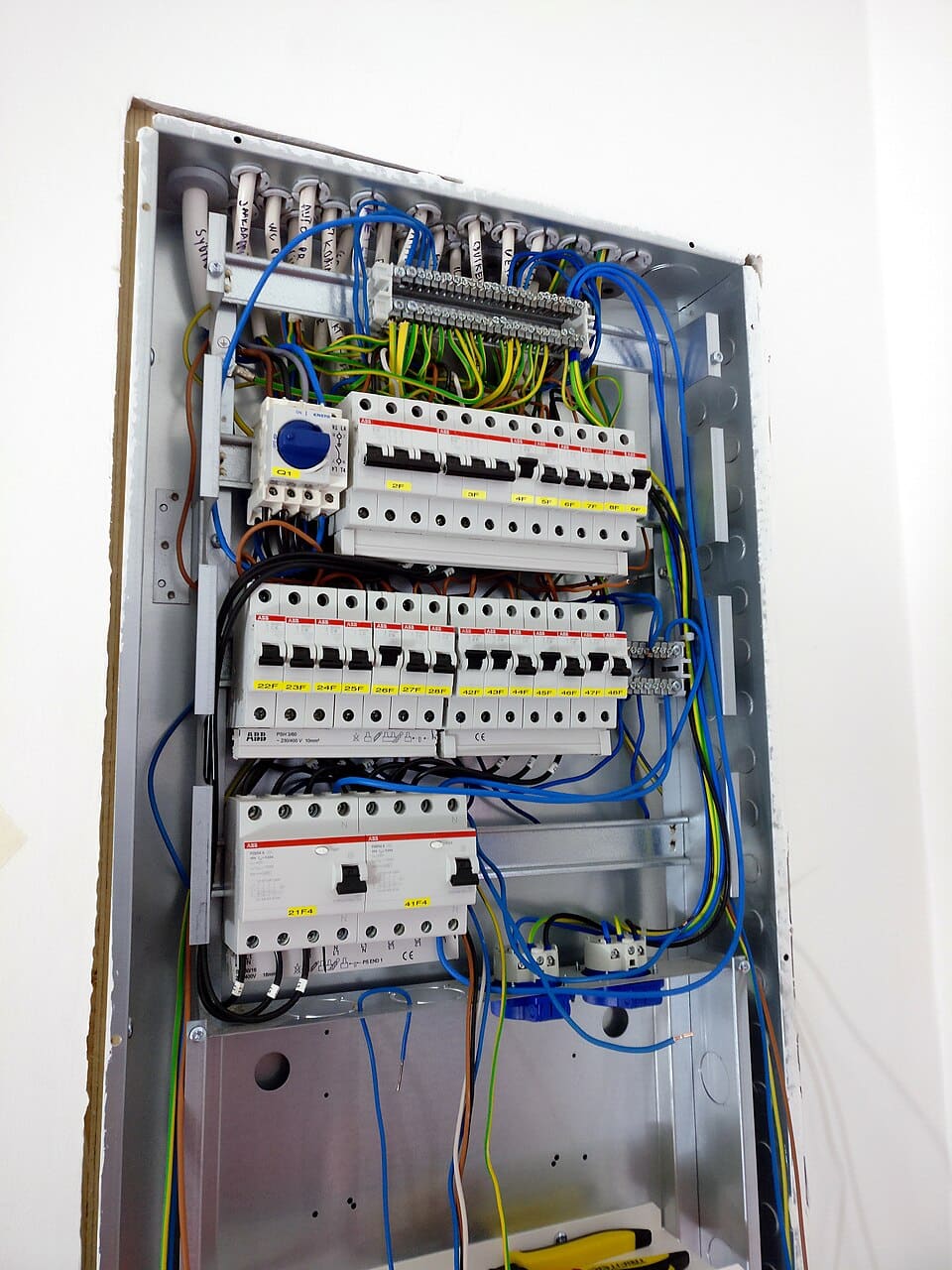
Distribution boards and LV switchboard assembliesE-01.3

Distribution boards and LV switchboard assemblies

Specified distribution assemblies integrating protection, busbars, enclosures, wiring, neutral and protective-earth conductors, and access arrangements.

  • Assembly rated current InA
  • Icw/Ipk and conditional short-circuit data
  • Number of ways, busbar, neutral and PE
  • IP and ambient temperature
  • Design verification, routine verification
ApplicationsCommercial electrical rooms, industrial LV distribution, plant rooms and building/infrastructure projects.
StandardsIEC 61439-1 / IEC 61439-2 (as applicable)
Put in your RFQSingle-line diagram; incoming/outgoing schedules; busbar and fault levels; enclosure size/IP; metering; form; applicable IEC 61439 parts; drawings; installation site.
Selection guide

Start from the single-line diagram and load schedule. Determine total assembly current, short-circuit withstand, busbar/neutral design, number of outgoing ways, IP rating, installation environment, form of separation where specified and whether the assembly is verified to the applicable part of IEC 61439.

Ask about this →
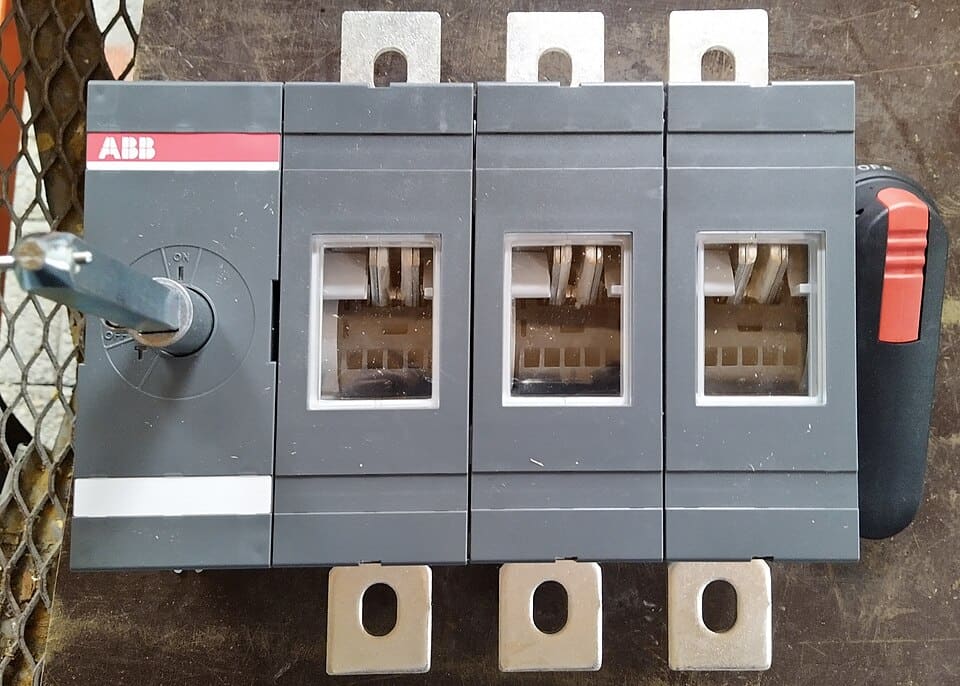
Switch disconnectors and load-break isolatorsE-01.4

Switch disconnectors and load-break isolators

Switch-disconnectors designed to make or break specified loads and provide isolation where the declared IEC utilisation category and operating conditions are suitable.

  • Ue / Ie at actual utilisation category
  • AC-21/22/23 or DC category
  • Pole count, neutral switching
  • Isolation and short-circuit coordination
  • Front/side operation and handle accessories
ApplicationsMain incoming isolation, load switching, equipment service disconnects and industrial motor feeders where specified.
StandardsIEC 60947-3 (switches and switch-disconnectors)
Put in your RFQOEM model; rated Ue and Ie; AC/DC utilisation category; poles; mounting; rotary or direct handle; padlock/door interlock; quantity.
Selection guide

Distinguish an isolating disconnector from a load-break switch-disconnector. Check Ue, Ie, AC-21/22/23 or relevant DC category, poles, short-circuit coordination, enclosure/IP, handle and door-interlock design. Avoid assuming an AC-rated unit is suitable for DC.

Ask about this →
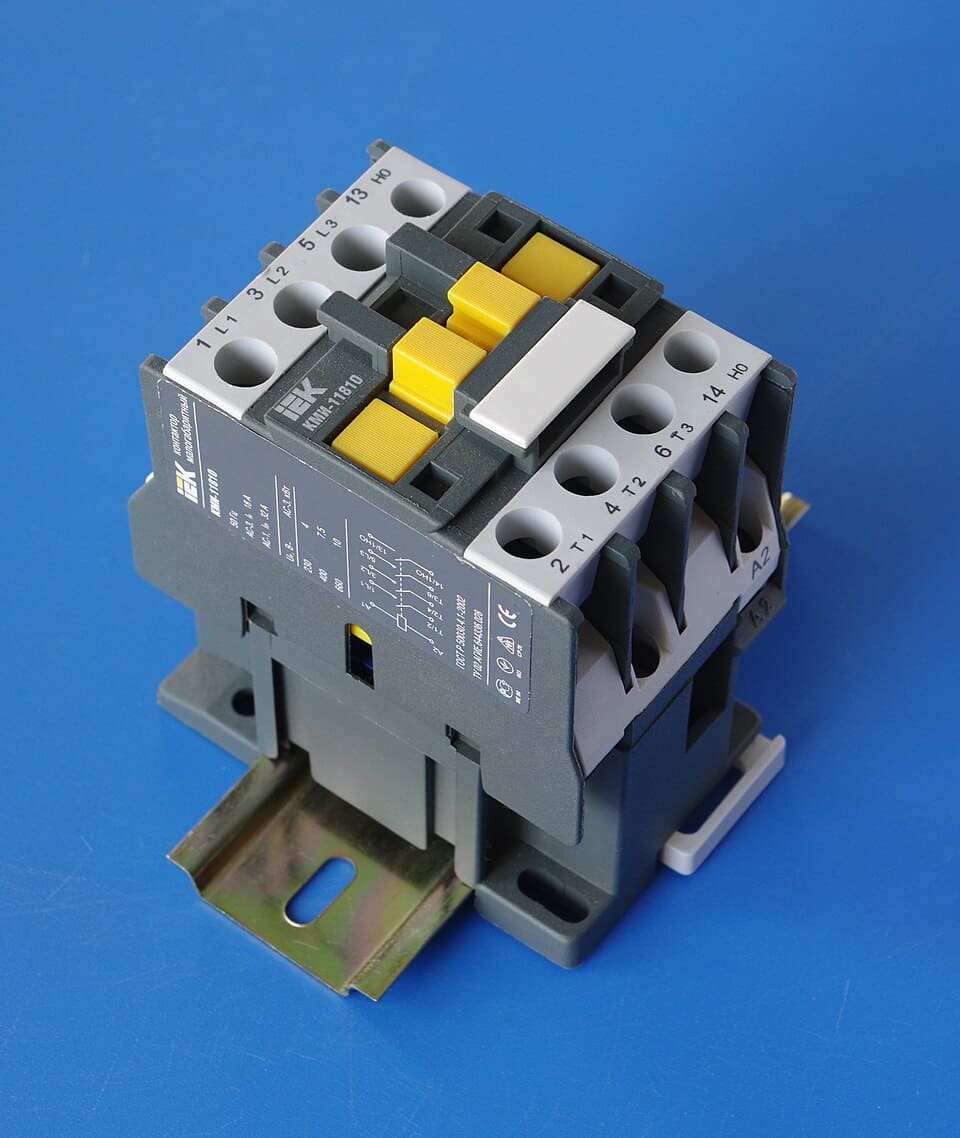
Contactors and thermal/electronic overload relaysE-01.5

Contactors and thermal/electronic overload relays

Electromagnetic switching devices and motor overload protection assemblies, selected together for motor duty and the required control voltage.

  • AC-3/AC-3e duty and Ue
  • Motor kW / full-load current
  • Coil voltage and frequency
  • Overload relay range / trip class
  • Auxiliary contacts / interlocks / coordination
ApplicationsDirect-on-line motor starters, pumps, HVAC equipment, machine panels and electrically controlled loads.
StandardsIEC 60947-4-1 (contactors and motor-starters)
Put in your RFQMotor kW at operating voltage; full-load current; AC-1 vs AC-3 duty; coil V/Hz; auxiliaries; overload setting range/trip class; short-circuit coordination; quantity.
Selection guide

Specify motor rated power and full-load current at the actual operating voltage, duty category (AC-3/AC-3e or other applicable duty), contactor poles, AC/DC coil voltage/frequency, auxiliary contacts, start frequency and matching overload relay setting range/trip class. Check upstream short-circuit protection coordination.

Ask about this →

Grenglo supports specification-driven B2B sourcing across a broad range of industrial electrical supplies. These five families are a technical starting focus, not an exclusive product catalogue, a stocked-inventory claim or an OEM dealership statement.

Engineering buyer guide

Selection criteria that matter

An engineering RFQ should identify the required duty, fault level and exact installation configuration before considering price. For replacement protection, obtain a full nameplate photograph and assembly drawing. For new panels, provide the approved single-line diagram, circuit list and design-verification requirements; never approve a substitute on ampere rating alone.

FactorSpecification to sendTechnical note
Supply systemSingle/three phase, Ue (V AC/DC), frequency, earthing systemRated equipment voltage and neutral arrangement must match the installation.
Short-circuit dutyProspective fault current (kA), rated Ue, Icu/Ics or Icw/IpkDifferent short-circuit metrics apply to devices and assemblies; compare at the stated voltage.
Overcurrent protectionIn, trip curve, protection adjustment, selectivity and cable coordinationCircuit protection is part of the electrical design, not a device-only decision.
Residual protectionRCBO/RCCB function, IΔn, residual-current type, poles and connectionRCBO includes overcurrent protection; an RCCB does not.
Motor switchingMotor kW/In, AC utilisation category, coil supply and overload settingsAC-1 and AC-3 ratings are not interchangeable for motor duty.
LV assembliesInA, number of ways, busbars, fault withstand, IP and access/segregationIEC 61439 conformity concerns the assembly, not just an empty cabinet.
AccessoriesShunt trip, undervoltage release, auxiliaries, rotary handle, interlocksAccessories and operating voltages must match the exact product series.
TraceabilityFull OEM P/N, country of origin, relevant certifications, datasheet revisionRequest manufacturer documentation; do not infer authorisation or certification from brand logos.
Engineering FAQs

Frequently asked questions

Can I replace an MCCB with another 250 A breaker?

Not on ampere rating alone. Confirm the rated operational voltage, Icu/Ics, trip functions and settings, pole arrangement, mechanical/terminal fit and panel verification requirements. Treat a different model as a proposed substitute until accepted.

What information is needed to quote a ComPacT NSX breaker?

A Singapore Schneider Electric product-selector guide requests poles, frame rating, trip unit rating and function, breaking capacity, mounting, control type and any remote-control voltage. Grenglo uses these as a technical RFQ checklist, not a declaration of OEM authorisation.

Is an MCB equivalent to an RCBO?

No. Both may provide overcurrent protection but an RCBO also incorporates residual-current protection. Confirm the circuit requirements and applicable standard rather than assuming interchangeability.

What is Icu compared with Ics for an MCCB?

Icu describes ultimate breaking capacity; Ics describes service breaking capacity under specified tests. Both must be read at the device's rated operational voltage.

Does an enclosure's IP rating prove a distribution board complies with IEC 61439?

No. Assemblies also require the applicable electrical, thermal, short-circuit and routine verification requirements. An enclosure rating is one part of the finished design.

Why do contactors need AC-3 or AC-3e duty specified?

Utilisation categories reflect the type of load and switching duty. For a motor starter, provide motor power/full-load current, operating voltage, coil voltage, overload range and upstream protection data.

Need something not listed here?

These families are a starting point, not a full catalogue. Send the manufacturer part number, a nameplate photo or your schedule and we will check the supply route.